Seven years later…
Would you believe it took a while to reinstall Ruby?
Would you believe it took a while to reinstall Ruby?
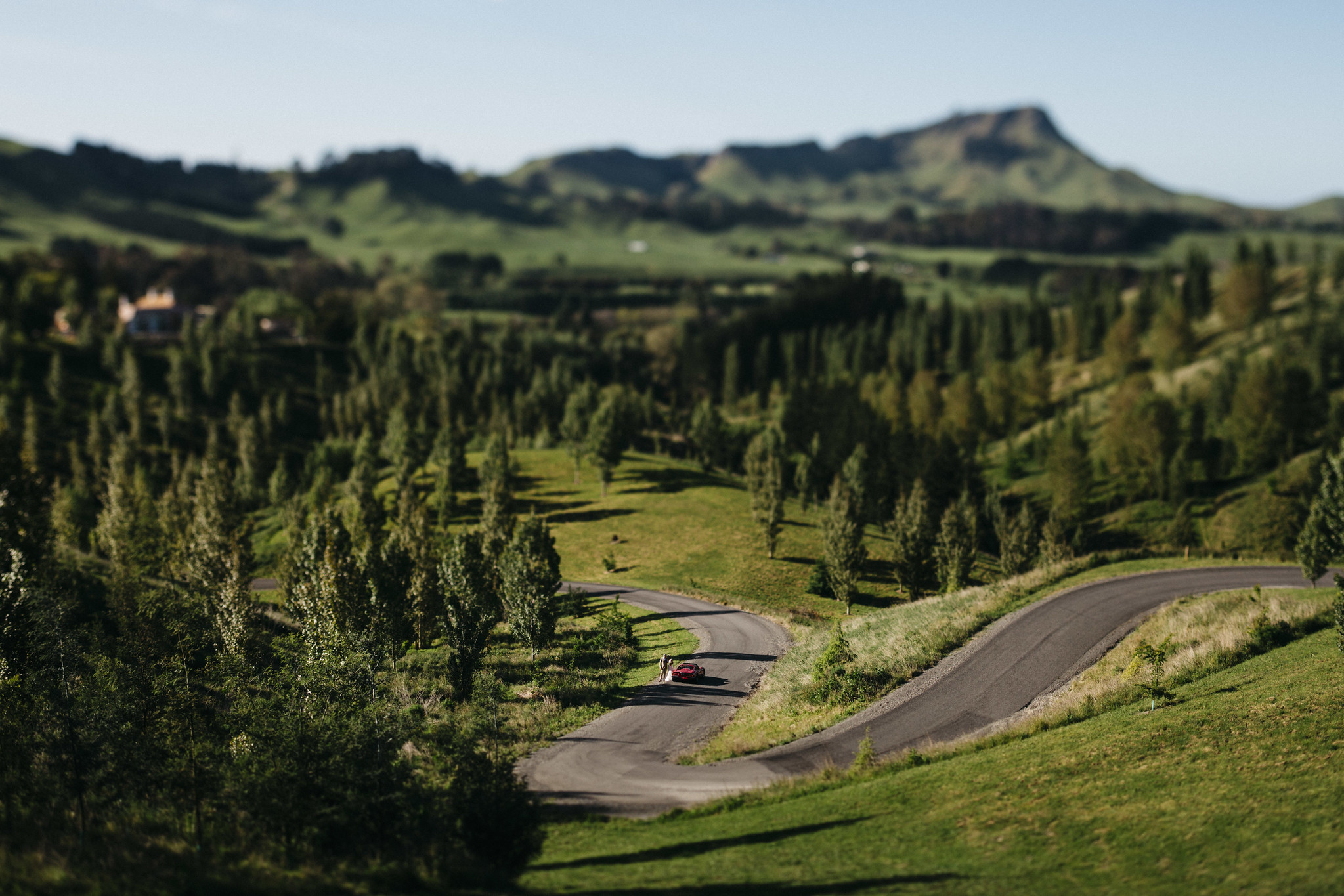
2015, the year our rubber hit the road. Lian, you’re the best partner I could hope for.
Where mobile money accounts outnumber bank accounts and where they will:
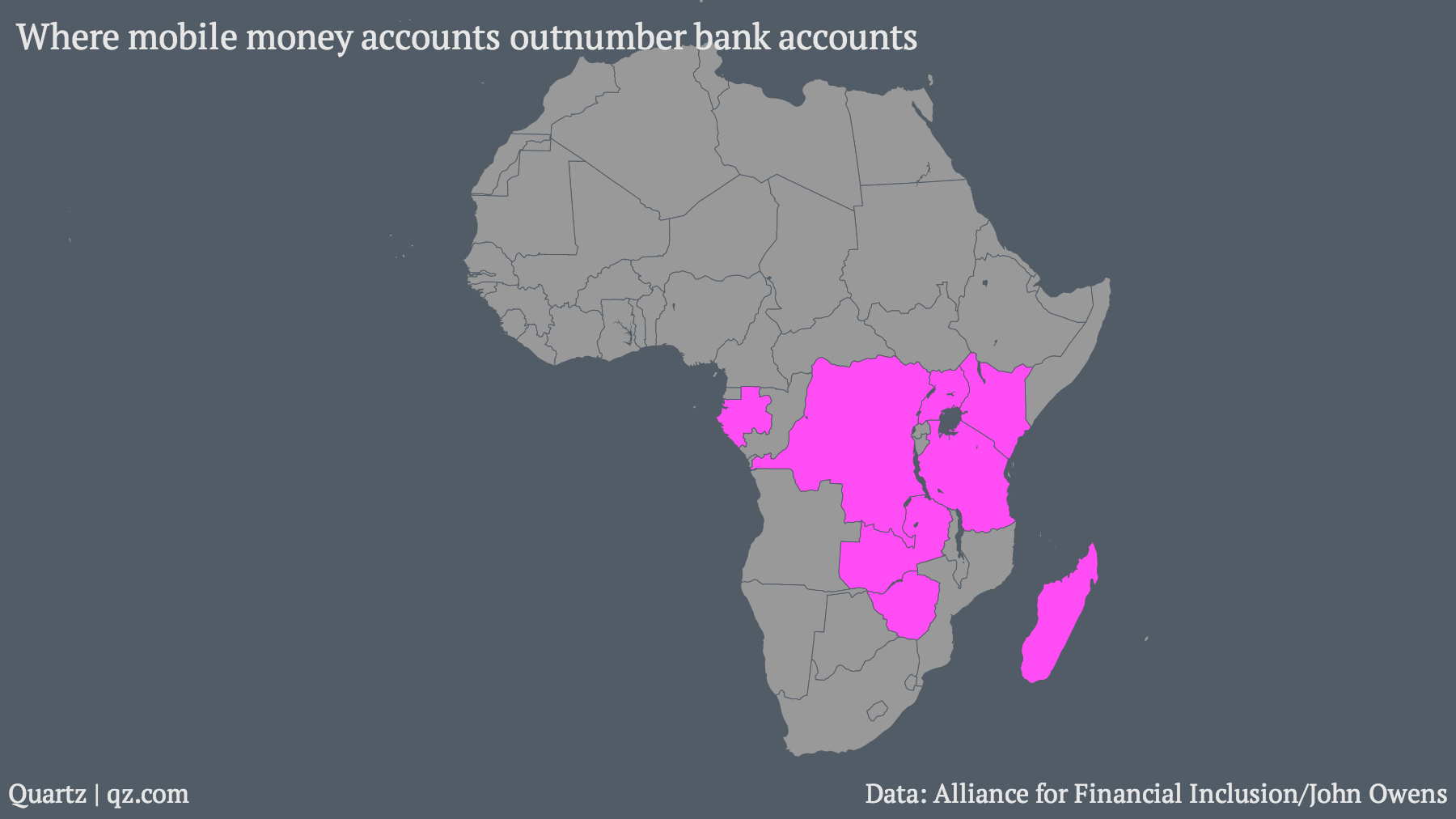
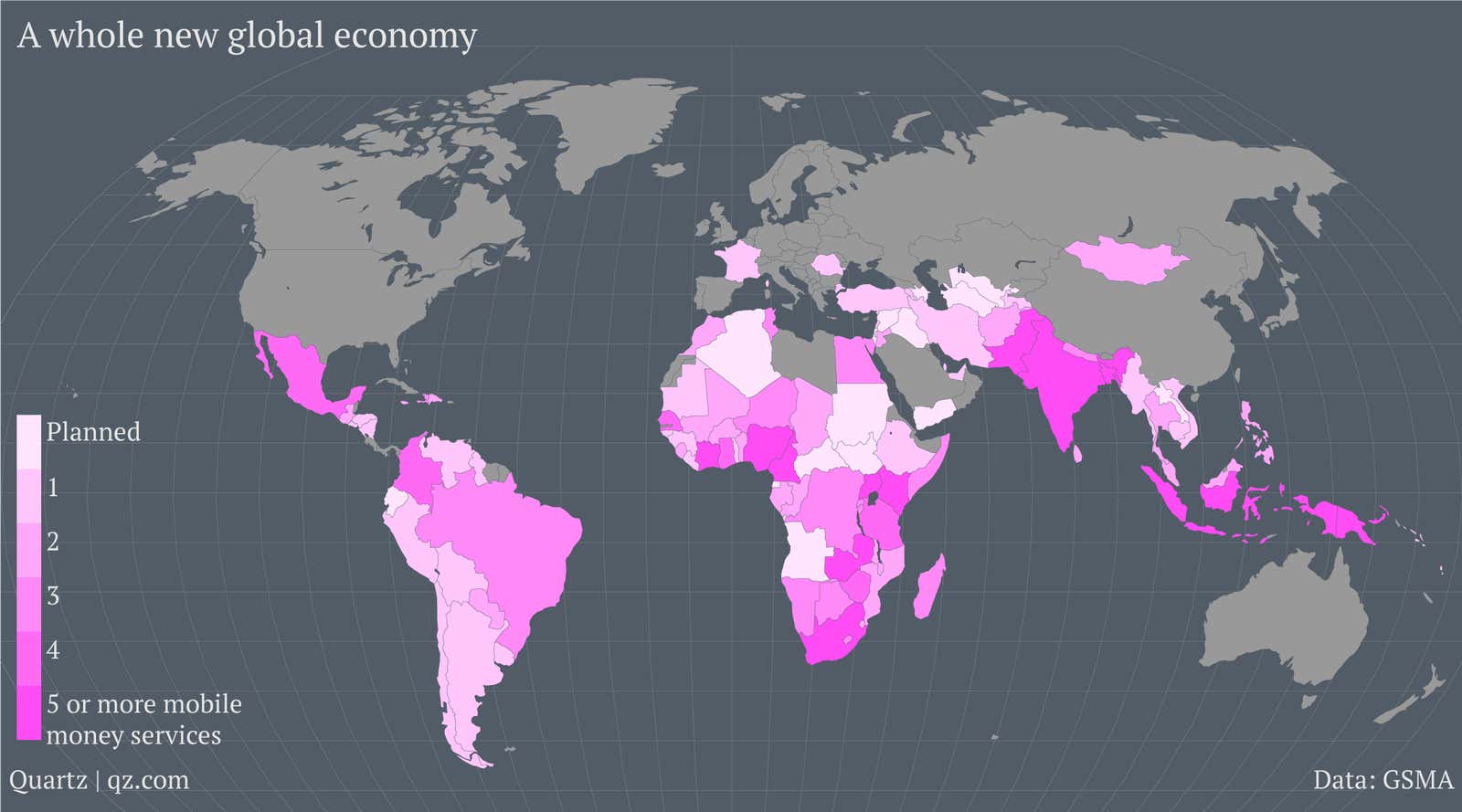
…because most Africans never had access to traditional bank accounts, there are no powerful incumbent interests keeping people locked in them. Almost everyone thinks the mobile payments revolution will come to America someday, but it’s already arrived in much of Africa and will come to dominate that continent before any other.
In the US, Square Cash transactions over a 24-hour period in August:

Meet your customers on their terms.
Via Leo Mirani at Quartz, Matthew Yglesias at Vox, and Brian Grassadonia at Square.
 Since 2009, thousands of companies like Instagram, Sidecar, and Square have used Domainr to find the right domain name. With just a few taps, anyone can quickly search the entire range of extensions from .app to .zone.
We initially created Domainr to scratch our own itch. We needed help naming our products and felt dissatisfied with existing options for finding domain names. As fans of short domains and domain hacks, we wanted something that could quickly search across all domains. After building Domainr’s initial prototype in an afternoon, we used the product to name itself and launched it to the world.
 After re-launching in 2009, .CO Internet successfully promoted .co into a credible alternative to .com, attracting customers like Google, Twitter, AngelList, and 500 Startups—to name just a few. In 2013, Domainr partnered with .CO Internet to surface their premium domain names, with unique messaging and branding that shows off their value. Our customers responded positively: .co since became Domainr’s second most popular domain name extension.
With the success of this partnership, and in part inspired by Om Malik, the folks at .CO Internet and I struck a deal to move my personal site to a new domain: rr.co. This site rolls up every post I’ve written since 2000, including content from shaderlab.com, ydnar.com, TypePad, and Vox into a single site I can curate going forward. The domain represents both my name and the value of minimalism—I couldn’t feel happier with the result.
One last thing: we’re excited to sponsor this year’s XOXO. If you plan to visit Portland for the conference this year, please say hello. Cameron, Case, and I would love to chat!
Max Fisher, writing for Vox, covers Ferguson as if it happened in another country:
Missouri, far-removed from the glistening capital city of Washington, is ostensibly ruled by a charismatic but troubled official named Jay Nixon, who has appeared unable to successfully intervene and has resisted efforts at mediation from central government officials. Complicating matters, President Obama is himself a member of the minority sect protesting in Ferguson, which is ruled overwhelmingly by members of America’s majority “white people” sect.
He spares no trope:
Though Missouri is infamous abroad for its simmering sectarian tensions and brutal regime crackdowns, foreign visitors here are greeted warmly and with hospitality. A lawless expanse of dogwood trees and beer breweries, Missouri is located in a central United States region that Americans refer to, curiously, as the “MidWest” though it is nearer to the country’s east.
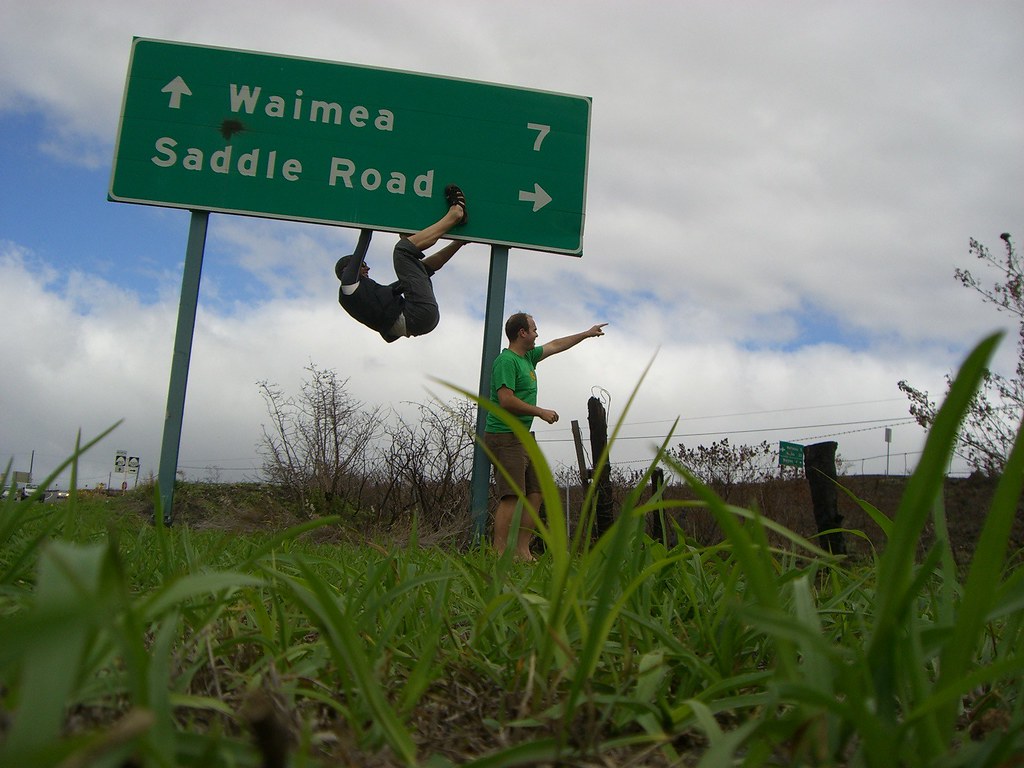
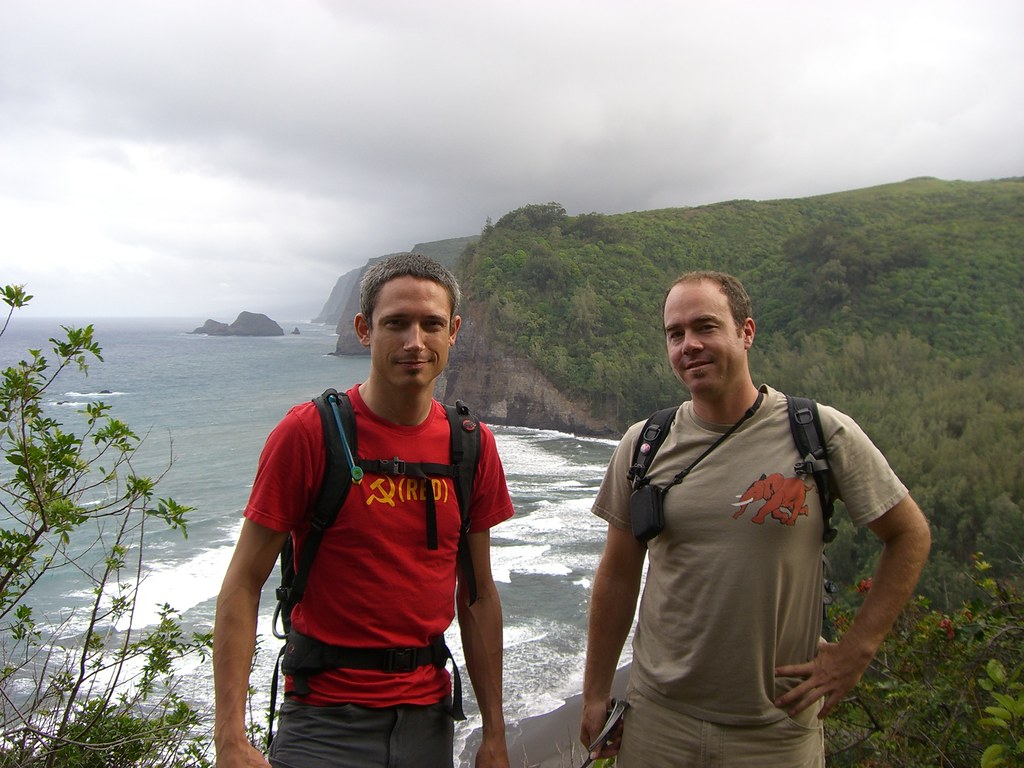
The plan: cover 3,200 miles over four weeks, from Prudhoe Bay to Glacier National Park via Denali, the Yukon, BC, ferries, flights, roads, and (according to Beau) longboards. We leave, for better or worse, today. See you in a month!
Greg Tracy took the EV record and 2nd place overall in this year’s Pikes Peak Hillclimb. Next year, I expect electrics to take the overall record—and pretty much every other racing category by the end of the decade.
Cinematography: David Moss